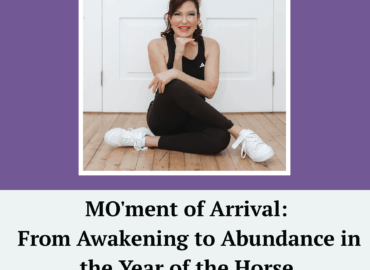


A Conversation with Sue Staresinic
Mo: Sue, welcome to the show. I am so happy you are here.
Sue: Hi, Mo. I am excited to be here. We have so many great conversations together when we are working, so it is fun to share some of that today.
Mo: We definitely do. And today we are diving into smart training, heart health, and longevity, especially during Canada’s Heart Month. I also like to say every month is Heart Month, because proactive movement is one of the best tools we have for long-term health.
Mo: Before we get into the details, can you share a bit about how you built your career in both physiotherapy and fitness?
Sue: I started teaching group fitness classes while I was in physio school, so both careers evolved at the same time. I loved being able to help people stay out of the clinic through smart training, while also supporting rehabilitation and recovery when needed. Now I get to bring what I do in clinical practice into a group fitness environment and make it preventative and enjoyable.
Mo: That ability to bridge science and real-world application is what makes your work so impactful. Let’s talk heart health. Many people think cardio alone is enough. How does functional strength training support cardiovascular health and resilience?
Sue: Strength training plays a key role in heart health because muscles act as a reservoir for glucose. When we maintain muscle mass, we are better able to manage blood sugar and reduce stress on the cardiovascular system. A healthy heart is not just about the heart muscle itself, but also the health of the blood vessels.
Mo: That connection between strength training and heart health is a game changer for people. And it is not just about health markers, it shows up in daily life.
Sue: Absolutely. People often tell me how strength training has helped them travel, hike, move better, and feel confident doing everyday tasks. These are real-life wins that matter.
Mo: Let’s talk longevity. What does the research tell us about muscle mass, strength, and aging?
Sue: Research shows that lower muscle mass and weakness are strongly linked to higher risk of all-cause mortality. Maintaining both muscle mass and strength is critical for independence and long-term health. Grip strength, for example, is a strong indicator of whole-body strength and longevity.
Mo: Grip strength can be humbling, but it is such an important reflection of overall function.
Sue: Exactly. And we can train that through functional movements like carries, pulling, and holding load. Balance is also key. It is something you have to use or you lose, but the good news is it improves quickly with consistent training.
Mo: We also see a growing focus on lifting heavier, especially for women and older adults. Why is that important?
Sue: As we age, we lose type 2 muscle fibers, which are responsible for power and quick reactions. Training with heavier weights and controlled power helps preserve those fibers. In group fitness, we do this safely through progressive layering, coaching, and intentional movement.
Mo: That layered approach is how we make training empowering and accessible for all ages.
Mo: Before we wrap up, if there is one shift you would encourage people to make right now for heart health and longevity, what would it be?
Sue: Agility. Training speed and quick reactions helps prevent falls and supports confidence in daily life. It does not have to be complicated. Even small amounts of agility work can make a big difference.
Mo: That is such a great reminder. Training really does show up in everyday moments.
Thank you, Sue, for sharing your expertise and passion. This conversation is a powerful reminder that smart training, strength, balance, and agility all play a role in helping us move well and live fully for life.
You can listen to the full episode here: